
Civil Work Before Interiors: Why Skipping It Destroys Your Finish
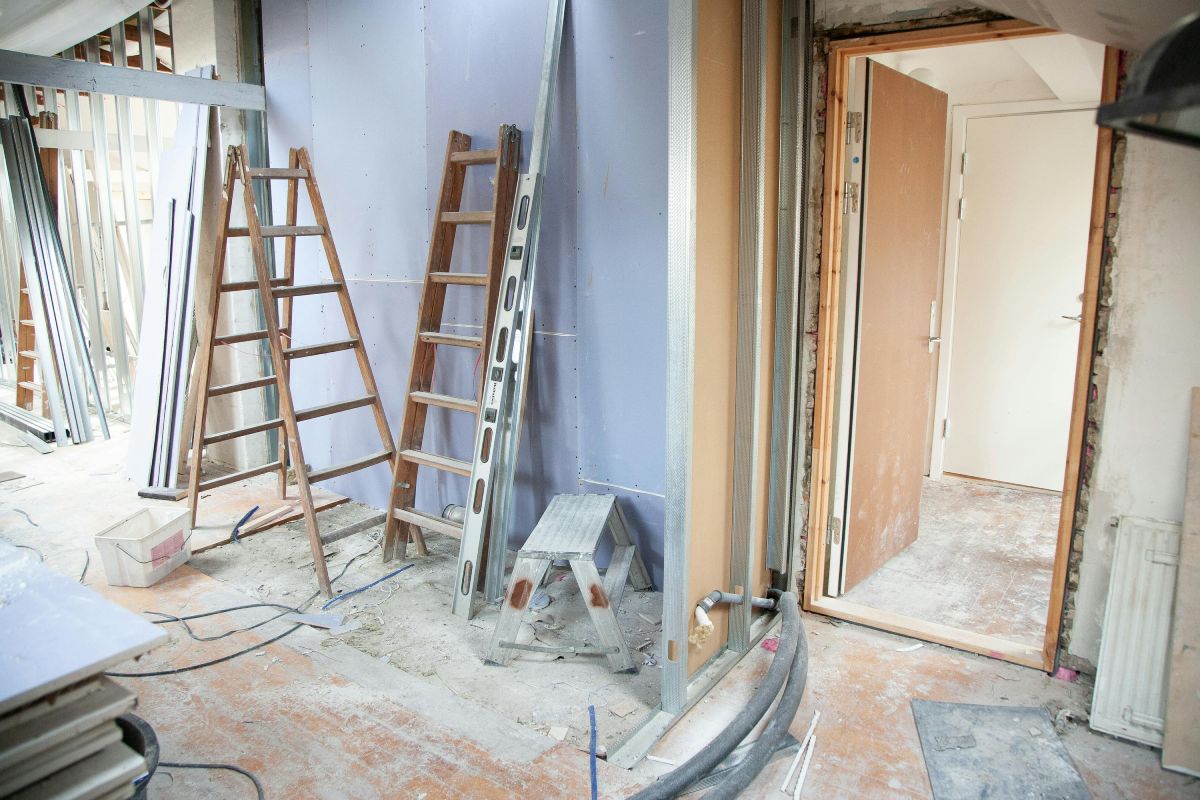
Most people think interiors fail because of bad tiles, poor paint, or cheap materials. That's rarely true.
Interiors usually fail because the civil work before interior design was ignored. When the structure below the finish is weak, uneven, damp, or unstable, no finish can survive for long.
- Tiles crack.
- Paint peels.
- POP ceilings develop cracks.
- Wardrobes don't align.
And the homeowner ends up searching for a civil contractor near me after already spending on interiors.
This blog explains why civil work must come first, what happens when it's skipped, and how to avoid repeated repairs.
What Civil Work Before Interior Design Really Includes
Many people think civil work means only construction. For interiors, civil work means surface readiness.
It includes:
- RCC slab condition and flatness
- Masonry alignment and bonding
- Plaster strength, thickness, and curing
- Floor screed level and moisture control
- Waterproofing in wet and exposed areas
- Structural crack treatment
- Electrical and plumbing coordination
If any of these are weak, interiors will fail even if the design is good. That’s why civil work before interior design is not an optional step. It is the foundation of durable interiors.
Why Interior Finishes Fail When Civil Work Is Skipped
Interior materials are thin layers.
- Tiles are a few millimeters thick.
- Paint is thinner than paper.
- POP ceilings rely on bonding and joints.
These finishes cannot correct structural problems.
When civil work is skipped:
- Movement in slabs transfers to finishes
- Moisture pushes through walls and floors
- Uneven surfaces stress materials
- Weak bonding causes separation
This leads to repeated repairs and wasted money.
How Poor RCC and Structural Work Affects Interiors
RCC slabs and beams move slightly over time. This movement is normal.
Problems occur when:
- Slabs are uneven
- Honeycombing is left unrepaired
- Cracks are ignored
- Improper curing weakens concrete
When interior finishes are applied over unstable RCC:
- Ceiling cracks reflect through the POP
- Tiles crack in straight lines
- Paint shows structural hairlines
Structural repair for interiors must always come before finishing work. Ignoring this leads to cosmetic fixes over structural problems.
Masonry Work: The Most Ignored Cause of Interior Failure
Bad masonry creates invisible problems.
Common masonry issues:
- Crooked walls
- Weak mortar joints
- Poor bonding with RCC
- Uneven corners
These problems force interior teams to:
- Add extra plaster thickness
- Adjust furniture unevenly
- Hide gaps with fillers
Over time, cracks appear at joints and edges.
Proper right masonry work ensures:
- Straight walls
- Uniform load transfer
- Better plaster bonding
Without it, interiors become patchwork solutions.
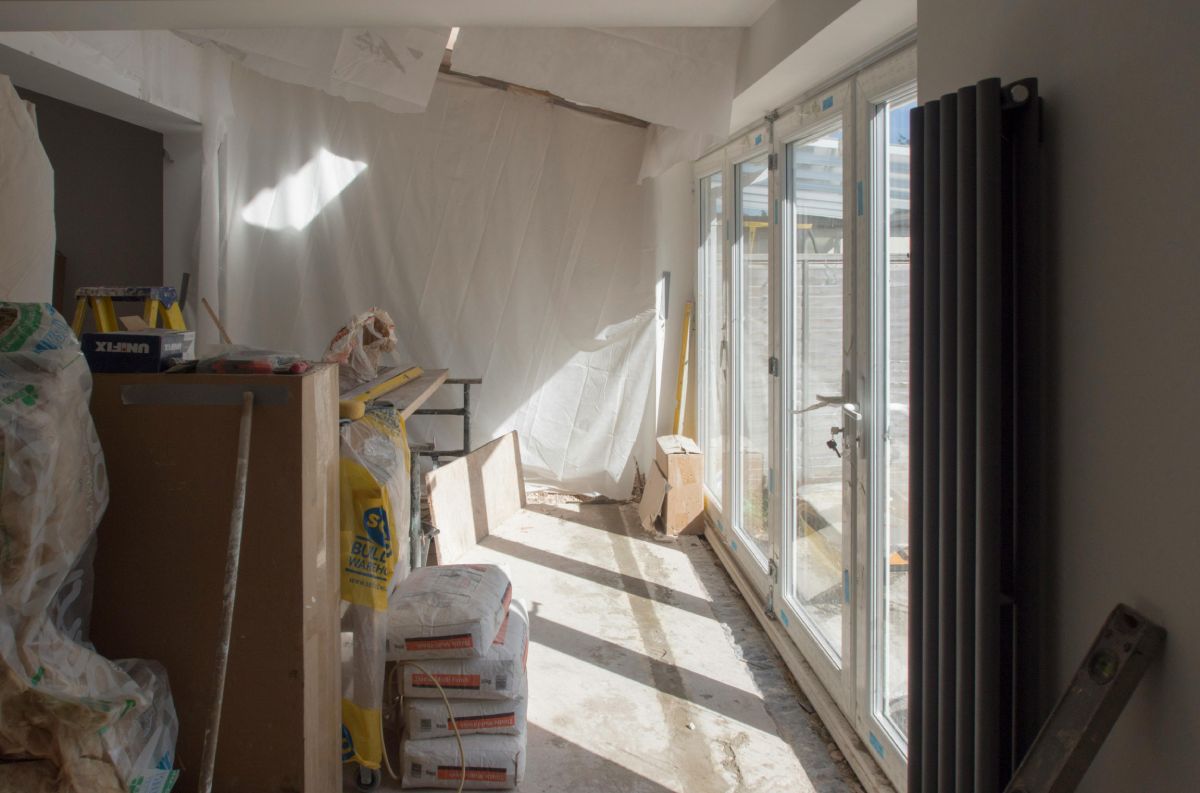
Plaster Quality and Curing: Why Paint Fails First
Plaster is the base for paint,wallpaper, and panels.
Plaster fails when:
- Mix ratios are wrong
- Thickness is inconsistent
- Curing is rushed or skipped
Weak plaster leads to:
- Paint bubbling
- Flaking surfaces
- Powdery walls
- Hairline cracks
Repainting does not solve this. Plaster must be corrected before any interior finish. This is one of the most common reasons people later search for a civil contractor near me.
Screed and Floor Leveling: Why Tiles Crack and Sound Hollow
Floor screed creates the base for tiles and flooring.
Problems occur when:
- Screed is uneven
- Moisture is trapped
- Bonding is poor
- Drying time is rushed
Effects:
- Tiles crack within months
- Hollow sounds develop
- Lippage appears
- Tiles lift during the monsoon
No tile adhesive can fix a bad screed. That's why civil work before interior design is critical for flooring durability.
Waterproofing: The Silent Destroyer of Interiors
Water is the biggest enemy of interiors.
Water enters through:
- Bathrooms
- Balconies
- Terraces
- External walls
If waterproofing is skipped or poorly done:
- Paint peels
- POP cracks
- Wood swells
- Tiles loosen
Many homeowners redo interiors without fixing waterproofing The damage always returns. Waterproofing must be completed, tested, and dried before interiors start.
Structural Repair for Interiors: Fixing the Cause, Not the Symptom
Structural issues show as:
- Repeated cracks
- Damp lines
- Separation at joints
Covering them with finishes hides the problem temporarily.
Proper structural repair for interiors includes:
- Crack assessment
- Load movement understanding
- Repair before finishing
Interior work should only begin after structural stability is confirmed.
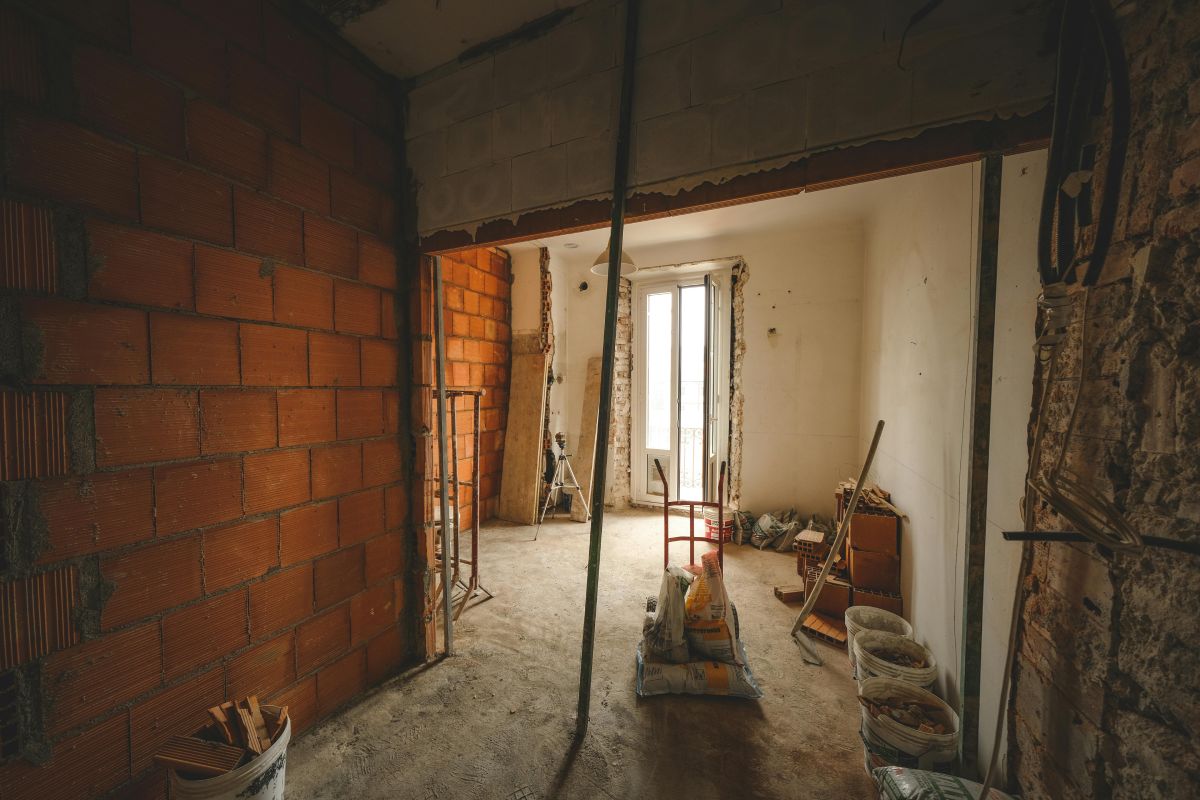
How Skipping Civil Work Increases Total Project Cost
Skipping civil work looks cheaper at first.
But costs increase later due to:
- Rework
- Material wastage
- Labour duplication
- Delays
Typical comparison:
- Civil-first approach: controlled cost, long life
- Finish-first approach: repeated repairs, higher lifetime cost
Durable construction is always cheaper in the long run.
The Correct Sequence: Fix → Test → Finish
This sequence avoids failures:
- Fix all civil defects
- Test moisture, levels, and stability
- Finish interiors only after clearance
Any interior contractor who ignores this sequence increases risk.
How to Inspect Civil Work Before Interiors Begin
Ask for:
- Level checks on floors and walls
- Dryness confirmation
- Crack treatment completion
- Waterproofing completion
Do not rely on verbal assurance. Inspection prevents future damage.
Choosing the Right Contractor for Civil + Interiors
When hiring:
- Prefer teams that handle both civil and interiors
- Ask who is responsible if the finishes fail
- Avoid contractors who blame others
This is why many homeowners prefer turnkey construction services. Single responsibility reduces disputes and delays.
Warning Signs You Should Not Ignore
Stop interior work if you see:
- Damp patches
- Powdery plaster
- Uneven floors
- Visible cracks
Finishing over these signs guarantees failure.
Final Takeaway
Interiors don’t fail on their own. They fail because civil work before interior design was ignored.
If you want:
- Long-lasting tiles
- Crack-free ceilings
- Stable furniture
- Clean paint finish
Fix the structure first. That is the only way to achieve durable construction.
Frequently Asked Questions (FAQs)
What does civil work before interior design include?
It includes checking RCC slabs, masonry alignment, plaster quality, floor screed, waterproofing, and structural repairs before any interior finishes begin.
Can interiors be done without civil work correction?
Interiors can be done, but they usually fail early. Skipping civil work leads to cracks, dampness, and repeated repairs.
Why do tiles crack even after a new installation?
Tiles crack due to uneven screed, moisture, or a weak base. Tile quality is rarely the main issue.
Should I hire a civil contractor before an interior designer?
Yes. A civil contractor near me should inspect and fix structural and surface issues before interior design starts.
Is waterproofing necessary before interiors?
Yes. Waterproofing must be completed and dried before interiors. Otherwise, finishes will fail.
How do I know if my walls are ready for paint or POP?
Walls should be dry, strong, properly cured, and free of cracks. Powdery or damp walls are not ready.
Does fixing civil work increase project cost?
It increases upfront cost slightly but reduces total lifetime cost by preventing repeat repairs.
What is durable construction for interiors?
Durable construction means fixing the structure, surfaces, and moisture issues before applying interior finishes.
You May be Interested in
-
 March 14,2025
Top 10 Office Interior Design Trends 2025 for Small Offices
The evolution of office spaces continues to accelerate in 2025, shaped by remote work, wellness awareness, and smart tech....
Read More... -
 April 18,2025
10 Home Renovation Mistakes to Avoid: A Beginner's Guide
Renovating your home can be one of the most exciting yet overwhelming experiences. Whether it’s upgrading your kitchen....
Read More... -
 March 28,2025
Commercial Office Renovation Guide: Planning & Checklist
Renovating your office is more than just a cosmetic upgrade—it's a strategic move that can boost productivity....
Read More...
FREE CONSULTATION
Talk To Our Expert

About Us
Founded in 2016. Eagle Ventures has estabilished itself as one of the greatest and prestigious providers of construction focused interior renovation services and building.