
Civil Contractor in Thane: Complete Home Renovation Planning Guide (2026)
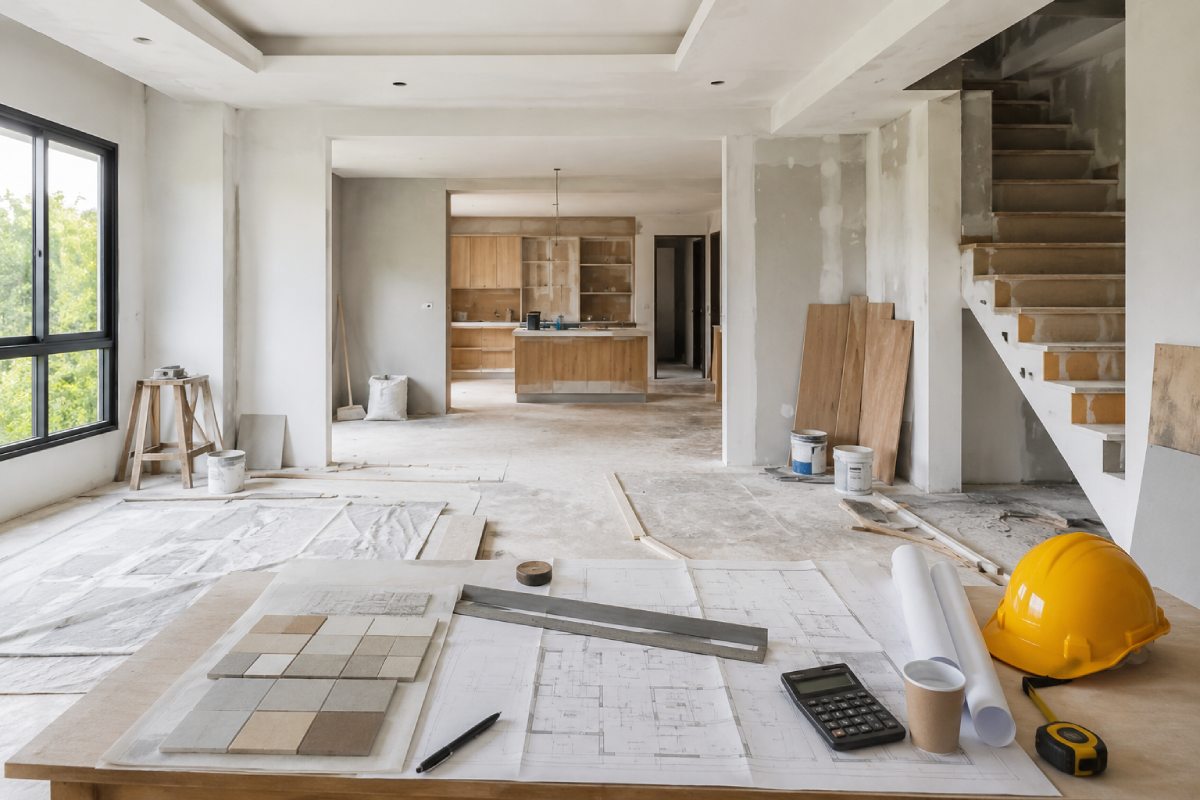
Introduction: Why Most Home Renovation Projects Fail Long Before Interior Work Begins
When homeowners decide to renovate their homes, the first thoughts usually revolve around beautiful interiors. They begin exploring modular kitchen designs, elegant wardrobes, premium tiles, luxury lighting, and contemporary living room ideas. Pinterest boards get filled, YouTube videos are saved, and dozens of screenshots become inspiration for the dream home they want to create.
But experienced renovation professionals know something that most homeowners discover much later. A successful renovation does not begin with interior design. It begins with civil planning.Before a single wardrobe is installed or a wall receives its first coat of paint, the apartment itself must be technically prepared.
- The walls must be structurally sound.
- The floors must be level.
- The plumbing must support the new layout.
- Electrical points must match the future furniture plan.
- Waterproofing must be completed before expensive finishes are installed.
Every one of these activities falls under civil work. Unfortunately, many homeowners underestimate this stage because it is largely invisible once the renovation is complete. The irony is that civil work is also the stage that determines whether your interiors will continue looking beautiful five or ten years from now.
Across Thane, Thane West, Ghodbunder Road, Hiranandani Estate, Majiwada, Kasarvadavali, Wagle Estate, Balkum, and nearby areas, homeowners frequently begin renovation projects without understanding the actual condition of their apartment. Some rely only on the builder's drawings. Others request quotations over the phone without conducting a proper site inspection. Many hire separate workers for demolition, masonry, plumbing, electrical work, waterproofing, and flooring without any centralized planning.
Initially, everything appears manageable. However, as execution progresses, coordination problems begin appearing.
- Walls require unexpected repairs.
- Floor levels don't match.
- Electrical points interfere with furniture.
- Bathrooms require additional waterproofing.
- Civil corrections delay every subsequent stage.
- The project timeline extends.
- The budget increases.
- Stress replaces excitement.
Most homeowners assume these problems are normal. They are not. They are planning failures. Professional civil contractors in Thane approach renovation differently. If you're searching for a civil contractor near me, choose a team that performs a thorough site inspection before providing estimates. Professional planning ensures better execution, fewer surprises, and long-lasting renovation results.
Instead of starting construction immediately, they begin with detailed inspection, technical assessment, planning, budgeting, sequencing, and risk evaluation. Only after understanding the property completely does execution begin. That systematic approach is what separates predictable renovations from expensive, frustrating ones.
This guide has been written to help homeowners understand the complete civil renovation process before making one of the biggest investments in their property.
Instead of focusing only on construction activities, this article explains:
- Why civil planning determines interior quality
- What professional civil contractors in Thane actually do
- How site inspections are performed
- Why structural assessment matters
- What civil work is required before interiors
- How masonry, floor leveling, waterproofing, and wall modifications are planned
- How project timelines are created
- How to choose the right contractor
- What mistakes increase renovation costs
- How professional planning protects your investment
Whether you are renovating a 1 BHK, 2 BHK, 3 BHK apartment, duplex, villa, bungalow, office, or commercial property, this guide will help you understand what happens before beautiful interiors become possible.
Quick Answer: What Does a Civil Contractor Actually Do?
A civil contractor plans and executes all structural, masonry, repair, and construction work required before interior finishing begins. Their responsibilities include site inspection, structural assessment, wall modifications, masonry work, floor leveling, waterproofing, plumbing coordination, quality inspections, project scheduling, and execution management. A professional civil contractor ensures that the property is structurally prepared before interior designers, carpenters, painters, and flooring contractors begin their work.
Why Choosing the Right Civil Contractor Determines the Success of Your Entire Renovation
Most homeowners believe that interior designers create successful homes. Interior designers certainly play an important role. However, every beautiful interior depends on something much more fundamental. It depends on the quality of the civil work underneath.
Think of a premium luxury apartment.
- The flooring is imported.
- The wardrobes are custom-built.
- The lighting is designer.
- The paint is flawless.
- Everything appears perfect.
Now imagine that the floor underneath those premium tiles was never properly leveled.
- Or that the walls behind those wardrobes were never aligned correctly.
- Or that waterproofing beneath the bathroom flooring was skipped.
No matter how premium the visible finishes are, problems eventually begin appearing.This is why choosing the right civil contractor in Thane is not simply about hiring someone to perform construction work. It is about selecting the professional responsible for creating the technical foundation on which your entire renovation depends.
Civil Work Is the Foundation of Every Interior Project
Every trade that enters your home after civil work depends on the accuracy of what has already been completed.
For example:
- Carpenters require straight walls for perfect wardrobe installation.
- Tile installers require level flooring for proper alignment.
- Painters depend on smooth plaster for premium finishes.
- Interior designers rely on accurate measurements for furniture layouts.
- Electricians require finalized wall positions before wiring.
If civil work is inaccurate, every subsequent activity becomes more difficult. Professional contractors understand these dependencies and therefore invest heavily in planning before execution begins.
Renovation Is About Coordination, Not Just Construction
Home renovation is not one activity. It is dozens of activities happening in sequence.
A successful project requires coordination between:
- civil work
- masonry
- plumbing
- electrical
- waterproofing
- flooring
- carpentry
- painting
- interior finishing
If these trades work independently without planning, delays become inevitable. Experienced civil contractors near me are valuable because they understand how every stage affects the next. Instead of treating construction as isolated tasks, they manage the renovation as one integrated system.
Why Homeowners Often Choose the Wrong Contractor
One of the most common mistakes during renovation is selecting contractors based only on quotation price. At first, this appears logical. If two quotations describe similar work, why pay more? The problem is that quotations rarely describe the same scope of work.
A lower quotation may exclude:
- waterproofing
- debris removal
- surface corrections
- material specifications
- quality inspections
- project supervision
These exclusions usually become additional costs after work has already started. Professional contractors focus on defining the complete project scope before discussing pricing. This creates transparency and reduces unexpected expenses later.
What Does a Professional Civil Contractor Actually Do?
Many homeowners assume civil contractors simply supervise labour. In reality, their responsibilities extend far beyond construction. Professional civil contractor in Thane West teams manage the complete technical preparation of the project. Homeowners looking for a civil contractor in Thane West should evaluate experience in apartment renovations, structural modifications, and execution planning rather than comparing quotations alone.
Choosing an experienced civil contractor Thane helps ensure smoother coordination, better workmanship, and long-term renovation quality. Their role combines engineering, planning, execution, quality control, and project management. They are responsible not only for completing work but also for ensuring that every stage prepares the site correctly for the next trade.
Site Inspection and Technical Evaluation
Every successful renovation begins with understanding the existing property.
Professional contractors inspect:
- structural condition, wall alignment
- floor levels, ceiling condition
- existing plumbing, electrical infrastructure
- moisture issues
- waterproofing requirements
Without this inspection, accurate planning is impossible.
Project Planning
Once the inspection is complete, contractors begin developing an execution strategy.
Planning includes:
- work sequencing
- labour scheduling
- material estimation
- timeline preparation
- risk identification
- coordination with interior design
This planning stage reduces confusion during construction.
Execution Supervision
Professional contractors supervise:
- masonry work
- wall demolition, plastering
- waterproofing, floor leveling
- structural repairs
- civil modifications
Rather than allowing every team to work independently, they ensure all activities follow the approved execution sequence.
Quality Control
Quality inspections occur throughout the project.
Typical inspections include:
- wall verticality
- floor level accuracy
- plaster smoothness
- waterproofing testing
- masonry alignment
- structural finishing
- Wall demolition
- Masonry work
- Structural repairs
- Floor leveling
- Waterproofing
- Ceiling repairs
- Plumbing modifications
- Electrical chasing
- Window modifications
- Door opening adjustments
- visible cracks
- beam locations
- column positions
- existing wall conditions
- previous repairs
- settlement indicators
- vertical alignment
- surface irregularities
- hollow plaster
- corner accuracy
- moisture damage
- uneven flooring
- water flow direction
- existing tile condition
- height differences between rooms
- existing pipe routes
- drainage slopes
- electrical conduits
- distribution boards
- switch locations
- appliance requirements
- Are visible cracks only surface-level?
- Has previous water leakage weakened plaster?
- Are walls suitable for heavy modular furniture?
- Can proposed wall modifications be executed safely?
- Will new flooring require structural correction?
- Are there signs of long-term moisture damage?
- vertical and diagonal cracks
- hollow plaster
- bulging surfaces
- damp patches
- previous repair marks
- paint peeling caused by moisture
- shrinkage cracks
- beam junction cracks
- loose plaster
- water seepage marks
- reinforcement exposure
- uneven slab surfaces
- level differences
- hollow flooring
- existing tile adhesion
- concrete substrate condition
- water drainage direction
- door openings
- window frames
- beam positions
- column locations
- existing lintels
- load transfer paths
- Construction of new partition walls
- Kitchen platform rebuilding
- Utility area modifications
- Bathroom curb construction
- Door opening adjustments
- Window sill reconstruction
- Brick wall extensions
- Wall closing after layout changes
- Structural patch repairs
- Service shaft reconstruction
- Walls must remain perfectly vertical and square
- Even minor deviations become visible after wardrobes, tiles, or modular kitchens are installed.
- Proper bonding between bricks and mortar prevents future cracking
- Weak joints often develop visible defects within months of completion
- Well-executed masonry reduces the amount of plaster correction required later
- This improves both finishing quality and project efficiency
- Adequate curing is essential for long-term durability
- Rushing this stage weakens the wall and increases the likelihood of cracks
- structural weakening
- damaged plumbing lines
- broken electrical conduits
- ceiling cracks
- layout inconsistencies
- increased repair costs
- Create open kitchens
- Expand living rooms
- Increase bedroom size
- Improve circulation
- Add storage niches
- Combine rooms
- Improve natural lighting
- structural drawings
- beam locations
- column positions
- electrical conduits
- plumbing routes
- existing finishes
- adjacent wall stability
- Isolating electrical supply
- Protecting nearby finishes
- Marking demolition limits
- Controlling dust
- Managing debris removal
- Inspecting surrounding structures after demolition
- settlement
- inconsistent concrete finishing
- previous repairs
- tile removal damage
- uneven screed
- water slope adjustments
- Hollow tiles
- Visible lippage
- Water accumulation
- Furniture instability
- Door clearance issues
- Poor visual alignment
- cement screeds
- self-leveling compounds
- localized patch corrections
- complete floor re-leveling
- Bathrooms
- Balconies
- Utility areas
- Kitchen wet zones
- Terrace connections
- External walls where necessary
- Surface preparation
- Crack treatment
- Waterproof membrane application
- Curing
- Flood testing
- Final inspection
- Homeowners usually start asking practical questions
- How much will the civil work cost?
- How long will it take?
- Why do quotations from different contractors vary so much?
- How can unnecessary expenses be avoided?
- Detailed site inspection
- Debris removal
- Surface preparation
- Waterproofing
- Quality inspections
- Project supervision
- Material testing
- Daily site management
- Construction debris transportation
- Building society permissions
- Lift protection and common area protection
- Temporary water and electricity arrangements
- Additional plaster repairs after demolition
- Floor corrections discovered after tile removal
- Waterproofing of newly exposed areas
- Minor structural repairs
- Final measurements
- Layout marking
- Site protection
- Demolition planning
- Tile removal
- Wall removal
- Fixture dismantling
- Debris clearance
- Brick masonry
- Wall reconstruction
- Door modifications
- Kitchen platform preparation
- Utility area adjustments
- Structural patch repairs
- Plumbing relocation
- Drainage adjustments
- Electrical conduit installation
- Switch point revisions
- Wall chasing
- Ceiling preparation
- Waterproofing application
- Flood testing
- Plaster corrections
- Ceiling repairs
- Floor leveling
- Surface preparation
- Wall alignment
- Floor levels
- Waterproofing verification
- Door opening dimensions
- Window measurements
- Ceiling quality
- Structural finishing
- Painting before plaster cures
- Flooring before waterproofing tests
- Carpentry before wall corrections
- False ceilings before electrical completion
- Verticality
- Straightness
- Corner accuracy
- Surface consistency
- Overall floor variation
- Room-to-room transitions
- Water slopes
- Tile substrate condition
- Flood testing
- Moisture inspection
- Drainage verification
- Surface examination
- Bonding quality
- Alignment
- Surface finish
- Curing
- Structural stability
- Hidden plumbing behind walls
- Electrical conduits not shown on drawings
- Hollow plaster discovered after tile removal
- Uneven slabs
- Moisture behind bathroom tiles
- Previous repair failures
- Incorrect floor slopes
- Builder construction defects
- Masonry changes
- Plumbing relocation
- Electrical modifications
- Flooring revisions
- Furniture redesign
- Scope of work
- Material specifications
- Supervision
- Quality inspections
- Warranty
- Project management
- Existing wall conditions
- Floor levels
- Moisture issues
- Structural limitations
- Family requirements
- Future interior plans
- Society regulations
- Project sequencing
- Apartments
- Older buildings
- Premium interiors
- Waterproofing corrections
- Structural modifications
- Complete home renovations
- Have you inspected the apartment personally?
- What major issues did you identify?
- Which civil activities are essential?
- Which activities are optional?
- What is the execution sequence?
- How will different trades be coordinated?
- When will waterproofing be completed?
- How are quality inspections performed?
- What is included in the quotation?
- What is excluded?
- Which situations could increase costs?
- How are additional works approved?
- Total project duration
- Milestone schedule
- Material procurement timeline
- Labour availability
- Society working-hour restrictions
- Who supervises the site every day?
- How frequently will progress be reviewed?
- Who communicates updates?
- How are quality issues resolved?
- Waterproofing
- Debris removal
- Surface preparation
- Project supervision
- Material quality
- Quality inspections
- Scope
- Materials
- Timeline
- Payment stages
- Responsibilities
- Plaster requires curing.
- Waterproofing requires testing.
- Floor preparation requires inspection.
- Why work is necessary
- How it will be executed
- What alternatives exist
- How decisions affect long-term performance
- Working hours
- Material delivery timing
- Lift protection
- Labour registration
- Debris disposal
- Security deposits
- Cement
- Sand
- Masonry materials
- Waterproofing products
- Plumbing supplies
- Electrical accessories
- Detailed site inspection completed
- Existing apartment condition documented
- Renovation scope clearly defined
- Structural concerns identified
- Timeline prepared
- Itemized quotation
- Material specifications included
- Payment schedule explained
- Additional work policy clarified
- Hidden costs discussed
- Experience with apartment renovation
- Masonry expertise
- Waterproofing knowledge
- Floor leveling experience
- Structural modification understanding
- Dedicated supervisor assigned
- Regular progress updates
- Quality inspection process
- Coordination with interior designers
- Completion milestones defined
- Written agreement
- Scope of work
- Timeline
- Material details
- Warranty information (where applicable)
- Civil Works
- Interior Design Services
- Turnkey Construction Company
- Waterproofing Services
- Tiling & Flooring Services
These inspections reduce costly rework later.
Civil Work Before Interior Design: Why Every Successful Renovation Starts Here
One of the biggest misconceptions among homeowners is that interior work begins when furniture arrives. In reality, interior execution begins much earlier. Before wardrobes, kitchens, flooring, or decorative finishes can be installed, the apartment itself must be technically prepared. This preparation is known as civil work before interior design. It creates the foundation upon which every visible element of the home depends. Skipping this stage often leads to recurring maintenance problems, poor finishing quality, and higher long-term costs.
Typical Civil Work Before Interior Renovation
Depending on the apartment, professional civil work may include:
Not every apartment requires every activity. A proper site inspection determines the actual scope of work.
Why Civil Preparation Cannot Be Skipped
Many homeowners try to save money by reducing civil work. However, unfinished or poorly executed civil preparation usually creates larger expenses later.
For Example:
A premium modular kitchen installed on uneven walls requires fillers, adjustments, and visible compromises. Large-format floor tiles installed without floor leveling often develop hollow sounds and cracks. Bathrooms without proper waterproofing may begin leaking within months, damaging both the renovated apartment and neighbouring properties.
Professional contractors therefore treat civil preparation as an investment rather than an expense. Whether you're planning apartment upgrades or complete civil work near me, proper planning before interior execution improves durability and reduces future maintenance expenses.
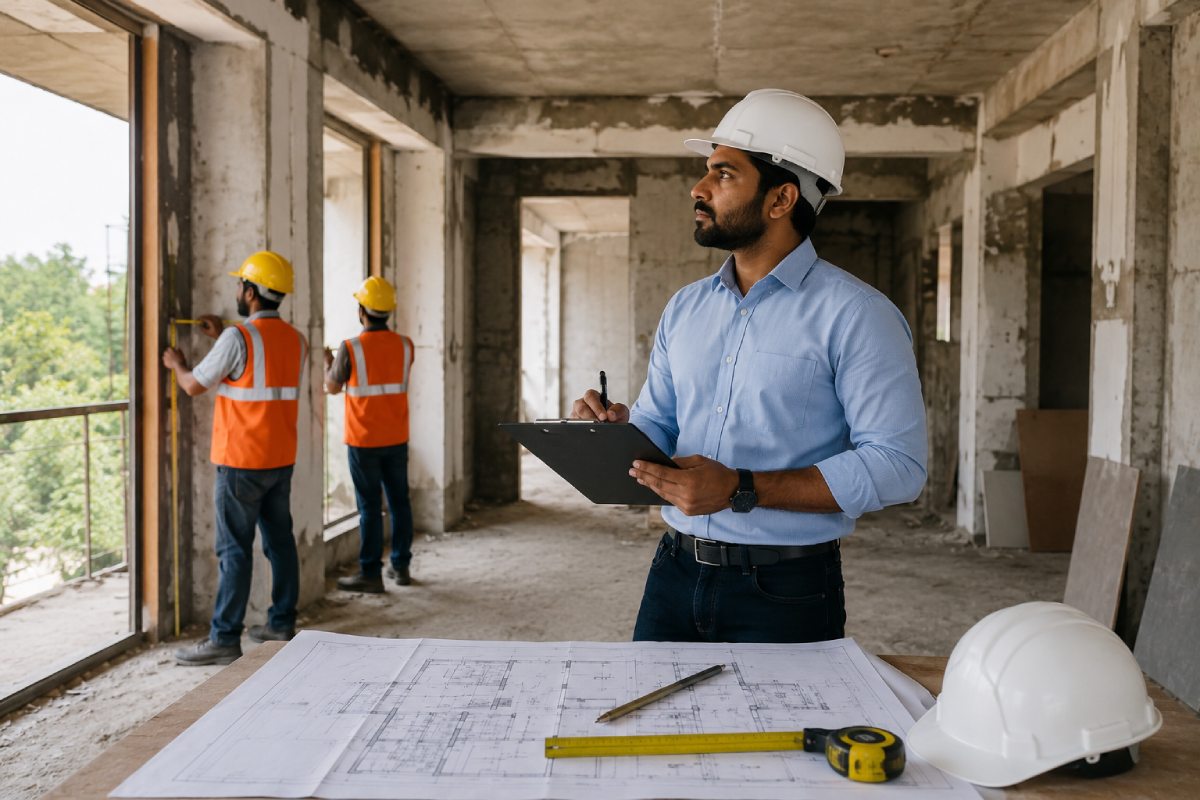
Complete Site Inspection Framework: The First Step Every Professional Civil Contractor Takes
Before discussing designs, materials, or budgets, experienced civil work contractors near me perform a comprehensive site inspection. This is one of the most valuable stages of the entire renovation process because it reveals the actual condition of the property. Rather than relying on assumptions, measurements, or builder drawings alone, contractors inspect the apartment as it exists. This inspection becomes the foundation for every planning decision that follows. A detailed inspection also helps homeowners searching for a civil work contractor near me understand the actual renovation scope before work begins. This approach minimizes unexpected repairs and supports more accurate budgeting for every project.
Structural Inspection
The team evaluates
The objective is to determine whether structural corrections are required before renovation begins.
Wall Alignment Assessment
Walls are inspected for:
These observations determine the amount of plaster correction required.
Floor Level Inspection
Professional measurements identify:
Proper floor assessment prevents future tile installation issues.
Plumbing & Electrical Review
The contractor also examines:
These services must align with the future interior layout before execution begins.
Contractor Insight
One of the biggest reasons professional renovation projects remain predictable is that they begin with accurate information. Experienced civil contractors spend significant time understanding the apartment before preparing quotations or schedules. This careful planning reduces surprises during construction and creates a smoother renovation experience for homeowners.
Structural Assessment Before Renovation: Understanding What Your Apartment Actually Needs
One of the biggest misconceptions homeowners have is that structural assessment is only required for old buildings or major reconstruction projects. Professional civil contractors in Thane West know that every renovation, regardless of the apartment's age, benefits from a structural assessment. This process is not always about finding major defects.
More often, it is about understanding the existing condition of the apartment and identifying risks that could affect future renovation work. A detailed structural assessment allows contractors to distinguish between cosmetic defects that require simple repairs and structural concerns that demand specialized attention. Making this distinction early prevents unnecessary work while ensuring that genuinely important issues are addressed before interior execution begins.
Why Structural Assessment Is Necessary Before Renovation
During years of occupancy, buildings naturally undergo movement. Temperature changes, moisture, settlement, repeated repairs, and daily usage all influence the condition of walls, ceilings, and floors. While many of these changes remain harmless, others may indicate deeper structural concerns that should never be ignored.
Professional assessment helps answer important questions such as:
Rather than making assumptions, experienced contractors verify these conditions before construction begins.
What Professional Civil Contractors Inspect During Structural Assessment
A proper assessment involves both visual inspection and technical evaluation. Typical inspection areas include:
Wall Condition
Walls are examined for:
Each observation provides clues about the underlying condition of the structure.
Ceiling Inspection
Ceilings are checked for:
Correcting these issues before false ceiling installation prevents future maintenance problems.
Floor Condition
Professional contractors inspect:
These observations determine whether floor leveling or partial reconstruction will be required.
Openings and Structural Elements
The team also evaluates:
These structural components influence future layout modifications.
Contractor Insight
One of the biggest mistakes homeowners make is assuming that all visible cracks are structural failures. Many cracks are simply plaster shrinkage or minor building movement. At the same time, some seemingly harmless cracks may indicate underlying problems. Professional assessment distinguishes between the two, allowing repairs to be planned appropriately instead of relying on guesswork. Homeowners often look for the best civil contractor near me when structural repairs are involved because experienced professionals can identify potential risks before construction begins and recommend the right solutions.
Masonry Work: The Framework That Supports Every Interior
When homeowners hear the term masonry work, they usually think about laying bricks. In professional renovation projects, masonry involves much more than brick construction. It is the process of modifying, repairing, rebuilding, strengthening, and preparing the physical structure of the apartment to support the new interior layout. Every new partition wall, kitchen platform, utility enclosure, bathroom modification, and opening adjustment depends on accurate masonry execution. Because these changes become permanent parts of the building, they must be planned with precision.
Why Masonry Work Plays Such an Important Role
Every interior project begins with a vision. Perhaps the homeowner wants an open kitchen. Maybe they need a larger living room. Some families require an additional study area, while others want to improve storage or redesign bathrooms. These changes cannot happen through furniture alone.
The apartment itself must first be reshaped. Masonry work makes that transformation possible. It converts architectural ideas into physical spaces that can later be completed through carpentry, flooring, painting, and decorative finishes. Without quality masonry, every subsequent activity becomes more difficult.
Common Masonry Activities During Apartment Renovation
Professional renovation projects frequently include:
Each activity is executed according to the approved renovation plan rather than independently.
Quality Parameters in Masonry Work
Experienced contractors evaluate masonry based on several technical factors.
Alignment
Bonding Strength
Surface Accuracy
Curing
Real Project Example
During the renovation of a 3 BHK apartment in Thane West, the homeowners wanted to expand the kitchen by partially removing the utility partition. Rather than demolishing the wall immediately, the contractor first evaluated the beam positions, plumbing routes, and structural implications. After confirming that the wall was non-load-bearing, a revised masonry plan was prepared. The opening was enlarged, new masonry edges were constructed, and the surfaces were finished accurately before modular kitchen installation. Because the civil work was executed correctly, the kitchen installation proceeded without additional adjustments.
Wall Breaking & Structural Modifications: Why Demolition Requires Careful Planning
Among all renovation activities, demolition appears to be the simplest. Workers arrive with tools, remove unwanted walls, clear debris, and create open spaces. From a homeowner's perspective, it looks straightforward. Professional contractors know otherwise. Wall breaking is one of the most carefully planned stages of a renovation because every wall performs a different function. Some divide rooms. Others conceal plumbing or electrical services. Some contribute to the building's structural stability. Understanding these differences is essential before any demolition begins.
Why Wall Breaking Should Never Be Done Without Assessment
Removing the wrong wall can create significant technical problems. Possible consequences include:
This is why professional contractors prepare demolition drawings before execution.
Common Reasons for Wall Modifications
Homeowners typically modify walls to:
Each modification is evaluated individually.
How Professional Contractors Plan Demolition
Before demolition begins, the project team verifies:
Only after these checks are complete does demolition proceed.
Safe Demolition Practices
Professional contractors follow systematic procedures that include:
These practices improve both safety and project efficiency.
Floor Leveling: Why Perfect Flooring Starts Before Tile Installation
Flooring is one of the most noticeable elements in any renovated home. Large-format vitrified tiles, marble, wooden flooring, and premium finishes all depend on one critical factor: the base underneath. Many homeowners believe tile installers automatically correct uneven floors during installation. This assumption often leads to disappointing results. Tile adhesive is designed for bonding, not correcting significant level differences. Professional floor leveling creates a stable foundation before flooring begins.
What Causes Uneven Floors?
During construction, several factors contribute to floor variation:
These issues become visible only after accurate measurements are taken.
Problems Caused by Uneven Flooring
Skipping floor leveling may result in:
These defects are expensive to repair after flooring is complete.
How Floor Leveling Is Performed
Depending on site conditions, contractors may use:
The selected method depends on the amount of variation identified during inspection.
Contractor Insight
Large-format tiles have become increasingly popular in modern apartments. However, they require much greater floor accuracy than smaller tiles. Professional contractors therefore spend more time preparing the substrate before installation begins.
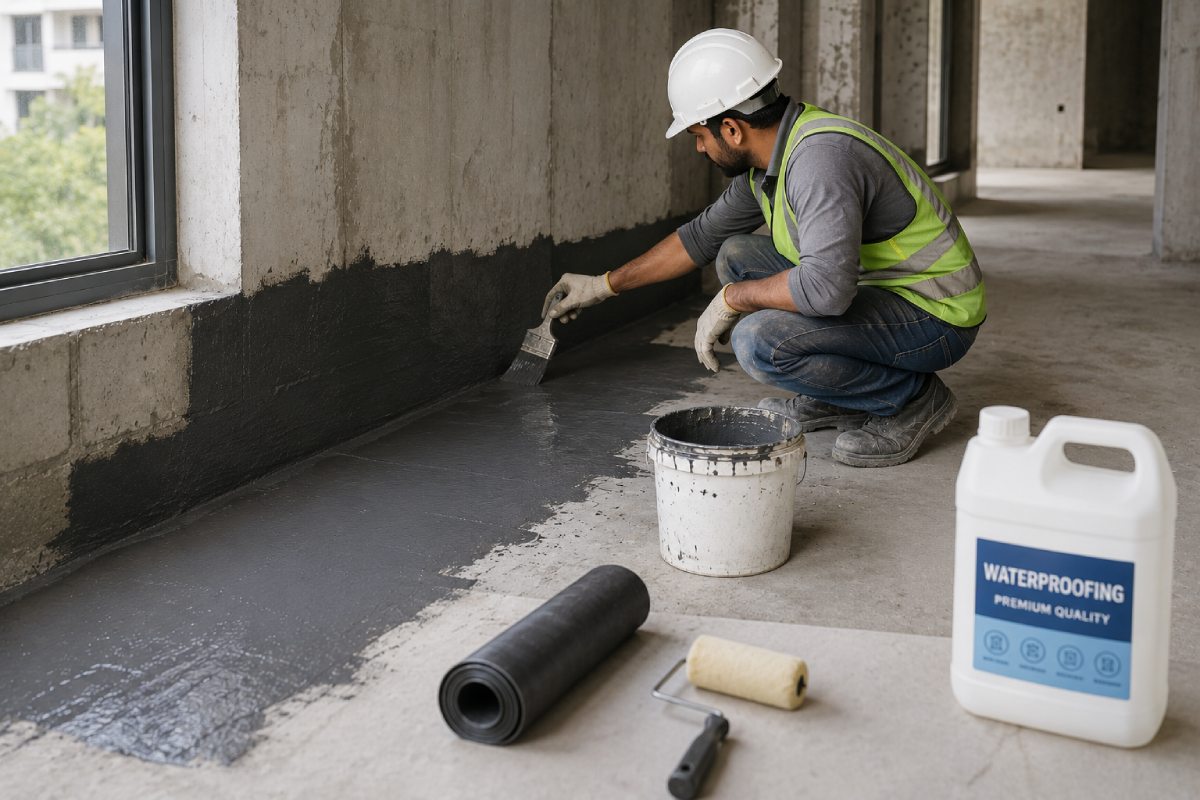
Waterproofing Before Interior Work: The Stage That Protects Your Entire Investment
Among all civil activities, waterproofing is perhaps the least visible after project completion. Once tiles, paint, ceilings, and furniture are installed, homeowners rarely think about the waterproofing beneath them. Yet this hidden layer protects some of the most expensive elements of the renovation. A failed waterproofing system can damage flooring, walls, ceilings, wardrobes, electrical systems, and even neighbouring apartments. Repairing these issues after completion is significantly more expensive than performing waterproofing correctly during renovation.
Areas That Typically Require Waterproofing
Professional renovation projects commonly include waterproofing for:
The treatment method depends on the specific conditions identified during inspection.
Why Waterproofing Must Be Completed Before Finishing Work
Waterproofing is not a decorative activity. It is a protective system that must be tested before tiles, paint, or furniture cover it.
Professional execution includes:
Skipping these stages often results in recurring leakage problems.
These are important questions because civil work represents one of the largest investments during a home renovation. More importantly, mistakes made during this stage affect every subsequent activity from flooring and painting to carpentry and modular furniture installation. Professional civil contractors in Thane understand that controlling costs is not about selecting the cheapest quotation. It is about proper planning, accurate execution, efficient coordination, and preventing expensive mistakes before they happen. This section explains how experienced contractors approach budgeting, timelines, quality control, and project management.
Civil Work Cost Framework: Understanding Where Your Renovation Budget Actually Goes
One of the biggest misconceptions homeowners have is that civil work can be priced simply by calculating the square footage of the apartment.
For example, many people ask: "What is the civil work cost for a 2 BHK?" or "How much does civil work cost per square foot?"
Although these questions are common, they rarely produce accurate answers.
Two apartments with the same carpet area can have completely different renovation costs because their existing conditions, layouts, structural requirements, and finishing expectations are different. A newly handed-over apartment may require only minor corrections before interior work begins. An older apartment may need waterproofing, wall reconstruction, plumbing modifications, electrical chasing, floor leveling, and extensive plaster repairs. This is why experienced civil contractors near me do not prepare estimates based only on apartment size. Instead, they evaluate the scope of work and allocate budgets across different construction activities.
How Professional Contractors Plan Renovation Budgets
Rather than treating civil work as one large expense, professional contractors divide the project into smaller cost categories. This approach provides better transparency and helps homeowners understand where their investment is going.
A typical renovation budget may include the following components:
| Work Category | Typical Scope |
|---|---|
| Site preparation | Protection, measurements, layout marking |
| Demolition | Wall breaking, tile removal, debris disposal |
| Masonry work | Partition walls, repairs, modifications |
| Plaster work | Wall corrections, ceiling repairs |
| Floor preparation | Floor leveling, substrate correction |
| Waterproofing | Bathrooms, balconies, utility areas |
| Plumbing modifications | Pipe relocation, drainage adjustments |
| Electrical chasing | Conduits, switch positions, service routes |
| Finishing preparation | Surface corrections before interiors |
Breaking the budget into categories allows homeowners to evaluate the necessity of each activity rather than looking only at the final quotation.
Why One Contractor's Quotation Is Higher Than Another
Many homeowners compare two quotations line by line and notice significant differences. This often creates confusion. However, the difference is rarely due to labour rates alone. Professional quotations usually include activities that lower quotations leave out.
Examples include:
A contractor offering a lower quotation may expect these items to be added later as extra work. An experienced civil contractor in Thane West explains the complete project scope from the beginning, allowing homeowners to compare quotations more accurately.
Hidden Costs That Homeowners Often Miss
Many renovation budgets increase not because of poor planning but because certain expenses were never discussed initially.
Common hidden costs include:
These activities may appear small individually, but together they can influence the final project budget. Professional planning identifies these possibilities before execution begins.
Contractor Insight
The objective of a professional quotation is not to provide the lowest price. It is to provide the most realistic estimate based on the apartment's actual condition. Transparent planning builds trust and significantly reduces financial surprises later in the project.
Civil Work Timeline: How Long Does Home Renovation Actually Take?
One of the first questions homeowners ask after approving a renovation plan is: "When will everything be completed?"
Although every project is unique, experienced contractors avoid giving unrealistic promises. Instead of estimating completion dates based on guesswork, they prepare a detailed execution schedule where every activity follows a logical sequence.
This approach ensures that one stage is completed, inspected, and approved before the next stage begins. The result is better quality, fewer delays, and significantly less rework.
Typical Home Renovation Timeline
Below is a general framework followed by many professional civil contractors in Thane West. The actual duration depends on the apartment size, renovation scope, material availability, and society regulations.
Week 1: Site Preparation & Demolition
The first week focuses on preparing the property for renovation.
Activities generally include:
Although homeowners often expect visible progress immediately, careful demolition protects structural elements and reduces unnecessary damage.
Week 2: Masonry & Structural Modifications
Once demolition is complete, the apartment begins taking its new shape.
Activities include:
Contractors continuously verify dimensions because future furniture installation depends on this accuracy.
Week 3: Plumbing, Electrical & Civil Corrections
The third week focuses on concealed services.
Typical work includes:
At this stage, homeowners may not see decorative progress, but these concealed services are essential for the long-term functionality of the home.
Week 4: Waterproofing & Surface Preparation
Before finishing materials are installed, contractors prepare the apartment for interior work.
Activities include:
This stage creates the base for premium finishes.
Week 5: Final Civil Inspection
Before handing the apartment over to interior teams, contractors perform comprehensive quality checks.
Inspection includes:
Correcting minor deviations at this stage prevents expensive rework later.
Why Timelines Should Never Be Compressed
Many homeowners request faster completion. While reducing project duration appears attractive, accelerating curing times or overlapping incompatible activities usually compromises quality.
Examples include:
Professional contractors prioritize sequencing over speed because properly executed work lasts longer.
Quality Control During Civil Work
Quality inspection is one of the biggest differences between professional contractors and ordinary construction teams. Traditional construction often focuses on completing work quickly. Professional renovation focuses on verifying every activity before moving forward. Continuous inspection prevents small mistakes from becoming expensive problems.
Wall Alignment Inspection
Before plastering is approved, contractors verify:
These measurements directly influence furniture installation.
Floor Level Verification
Professional contractors measure:
Accurate floor preparation significantly improves flooring performance.
Waterproofing Testing
Waterproofing is tested before covering it with tiles.
Testing generally includes:
Only after successful testing does flooring begin.
Masonry Inspection
Completed masonry is evaluated for:
Well-executed masonry reduces future plaster corrections.
Common Renovation Challenges That Increase Project Cost
Even well-planned projects encounter unexpected situations. The difference lies in how these situations are managed. Professional civil work contractors near me anticipate common challenges and prepare solutions before they affect the project.
Some of the most frequent issues include:
Because these challenges are common, experienced contractors build flexibility into both planning and budgeting.
Common Mistakes That Increase Civil Work Cost
Homeowners can reduce renovation expenses significantly by avoiding a few common planning mistakes.
Starting Without a Site Inspection
Quotations prepared without inspecting the apartment rarely remain accurate. Unexpected conditions discovered later increase costs.
Changing Layouts During Execution
Every design change affects multiple trades.
Moving a kitchen wall may require:
Late changes are among the biggest reasons renovation budgets increase.
Choosing Contractors Only by Price
Low quotations often exclude important activities.
Always compare:
Instead of comparing only the total price.
Ignoring Waterproofing
Skipping waterproofing rarely saves money. It simply postpones expenses until leakage appears. Repairing completed interiors is considerably more expensive than protecting them during renovation.
How Professional Civil Contractors Save Homeowners Money
Working with an experienced civil contractor in Thane West also improves coordination between multiple trades, helping homeowners avoid delays, material wastage, and unnecessary rework during renovation. A trusted civil contractor Thane can often optimize both project timelines and overall execution quality. Many homeowners assume professional contractors are expensive.
In reality, experienced contractors often reduce the overall project cost through better planning.
They achieve this by:
Accurate Material Estimation
Reducing wastage through proper quantity calculations.
Better Sequencing
Ensuring work happens in the correct order.
Fewer Mistakes
Preventing repeated demolition and reconstruction.
Continuous Quality Inspection
Identifying issues before they affect finished work.
Centralized Project Management
Coordinating labour efficiently and minimizing delays.
These savings often outweigh the difference between a professional quotation and a low-cost alternative.
Civil Contractor vs Local Mason vs Builder
Understanding these roles helps homeowners choose the right professional for their renovation.
| Feature | Civil Contractor | Local Mason | Builder |
|---|---|---|---|
| Site Inspection | ✔ Detailed | Limited | Usually Project-Specific |
| Renovation Planning | ✔ Yes | Limited | Not Always |
| Structural Assessment | ✔ Yes | No | Depends |
| Masonry Execution | ✔ Yes | ✔ Yes | Yes |
| Waterproofing Planning | ✔ Yes | Limited | Varies |
| Project Management | ✔ Full | No | Limited |
| Multiple Trade Coordination | ✔ Yes | No | Depends |
| Quality Control | ✔ Structured | Basic | Project Dependent |
| Accountability | ✔ Single Point | Individual | Project-Based |
For complete apartment renovations, a professional civil contractor typically provides the most comprehensive management and coordination.
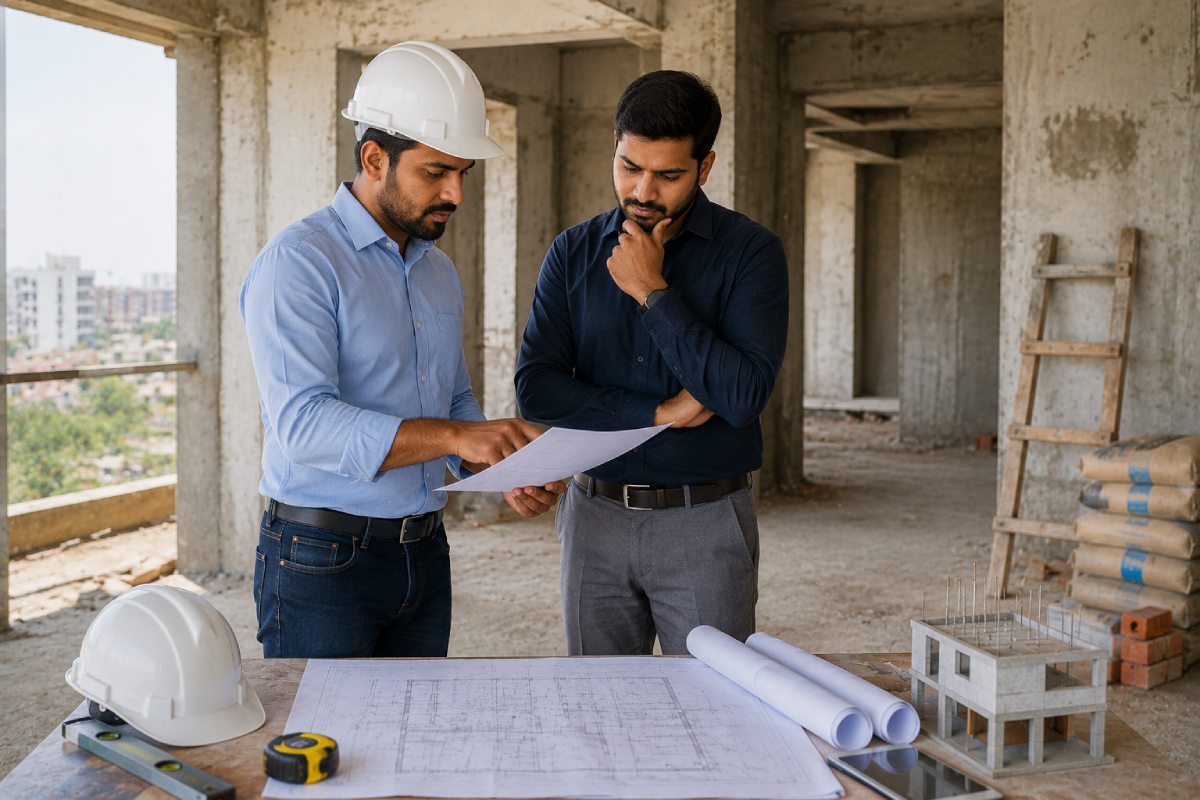
How to Choose the Right Civil Contractor in Thane
Finding a civil contractor in Thane is relatively easy. Choosing the right one is considerably more challenging. Today, homeowners have access to countless contractors through online searches, referrals, social media, and local recommendations. Almost every contractor claims to provide high-quality work, competitive pricing, experienced labour, and timely project completion.
Because these claims sound similar, many homeowners compare only one factor: Price. Unfortunately, price alone tells very little about how a renovation project will actually be managed. Professional contractor selection requires evaluating planning ability, execution systems, supervision standards, communication, and accountability, not just construction skills.
Look Beyond the Quotation
The quotation should never be the only basis for comparison. A lower quotation may appear attractive initially, but it often excludes activities that become additional expenses during execution.
Instead of asking: "Who is cheaper?"
Ask: "Who has planned the project more thoroughly?"
A professionally prepared quotation usually demonstrates that the contractor has spent time understanding the apartment before estimating the work.
Evaluate Planning Before Construction
One of the easiest ways to identify an experienced contractor is by observing the questions they ask during the first meeting.
Professional contractors typically discuss:
An inexperienced contractor usually begins with pricing. An experienced contractor begins with understanding the property.
Review Previous Renovation Experience
Every renovation project presents different technical challenges. Ask the contractor about projects similar to yours.
For example:
Past experience often reveals how effectively a contractor can handle unexpected situations.
Questions Every Homeowner Should Ask Before Hiring a Civil Contractor
Choosing the right contractor becomes much easier when homeowners ask structured questions instead of relying only on marketing claims. Below are some of the most important questions worth discussing before finalizing a renovation partner.
Questions About Site Inspection
Ask:
An experienced contractor should explain the reasoning behind every recommendation.
Questions About Planning
Discuss:
These questions help reveal how structured the project management process is.
Questions About Cost
Clarify:
Transparent discussions reduce misunderstandings later.
Questions About Timeline
Understand:
Realistic timelines are more valuable than unrealistic promises.
Questions About Supervision
Professional supervision significantly influences project quality.
Ask:
Strong supervision generally leads to better execution consistency.
Red Flags That Indicate an Inexperienced Contractor
Not every contractor follows professional planning methods. Recognizing warning signs early can prevent expensive renovation problems later. Below are some of the most common red flags homeowners should watch for.
Immediate Quotation Without Site Inspection
If a contractor provides a complete renovation quotation without visiting the property, it usually indicates that the estimate is based on assumptions rather than actual site conditions. Professional contractors rarely finalize pricing before inspection.
Unrealistically Low Pricing
Every renovation has a practical cost.
Extremely low quotations often exclude:
The missing work typically appears later as additional charges.
No Written Scope of Work
Verbal discussions create confusion.
Professional contractors document:
Written documentation protects both parties.
Promising Impossible Timelines
Every construction activity requires time.
If a contractor promises extremely fast completion without explaining how quality will be maintained, homeowners should ask additional questions before proceeding.
Lack of Technical Explanations
Experienced contractors explain:
If explanations remain vague, planning may also be weak.
Why Hiring a Local Civil Contractor in Thane Makes a Difference
Homeowners often compare contractors from different cities without considering local execution challenges. While technical skills are important, local experience provides several practical advantages during renovation.
A contractor who regularly works in Thane, Thane West, Ghodbunder Road, Majiwada, Balkum, Kasarvadavali, Hiranandani Estate, and nearby locations develops a much better understanding of the area's construction practices, building regulations, logistics, and common structural conditions.
This familiarity often leads to smoother project execution. Many homeowners searching for civil contractors near me prefer local professionals because they understand society guidelines, local supplier networks, and construction practices specific to Thane. This local expertise makes every civil work near me project more efficient and predictable.
Better Understanding of Local Building Types
Apartments built in different parts of Thane often have different construction methods, layouts, and maintenance histories. Experienced local contractors become familiar with these patterns over time. This improves inspection accuracy.
Knowledge of Society Regulations
Every housing society has different renovation rules.
Common requirements include:
Local contractors usually understand these procedures, reducing administrative delays.
Faster Site Support
Unexpected situations occasionally arise during renovation. Working with a nearby contractor generally allows faster site visits, quicker decision-making, and better coordination between teams.
Better Supplier Network
Established contractors often maintain relationships with local suppliers for:
Reliable procurement helps maintain project schedules.
Decision Matrix: Who Should Hire a Professional Civil Contractor?
Not every construction project has the same requirements. The table below provides general guidance for different types of property owners.
| Property Type | Professional Civil Contractor Recommended? | Why |
|---|---|---|
| New 1 BHK Apartment | ✔ Yes | Base corrections, layout planning, waterproofing |
| 2 BHK Apartment Renovation | ✔ Highly Recommended | Multiple trades require coordination |
| 3 BHK Premium Interior | ✔ Essential | Greater complexity and quality expectations |
| Old Apartment Renovation | ✔ Essential | Structural repairs and service upgrades |
| Villa Renovation | ✔ Essential | Extensive civil and infrastructure work |
| Office Renovation | ✔ Recommended | Business continuity depends on planning |
| Retail Shop Renovation | ✔ Recommended | Faster execution minimizes downtime |
Civil Contractor Hiring Checklist
Before appointing any civil contractor near me, review the project using a structured evaluation process.
Planning
Cost Transparency
Technical Capability
Project Management
Documentation
Internal Service Links
Conclusion: Great Interiors Begin With Great Civil Work
When homeowners think about renovation, they naturally focus on the elements they will see every day: beautiful flooring, elegant lighting, modular kitchens, stylish wardrobes, and carefully designed living spaces. While these features define the appearance of a home, they do not determine its long-term performance.
That responsibility belongs to the civil work completed before interior execution begins. A professionally managed renovation creates strong foundations through accurate site inspections, structural assessment, masonry work, floor preparation, waterproofing, and careful project planning.
These activities remain hidden after completion, yet they influence almost every visible finish installed later. Choosing an experienced civil contractor in Thane is therefore not simply about finding someone to perform construction work. It is about selecting a professional who understands how every stage of renovation connects to the next and who can coordinate those activities with precision.
When planning is detailed, execution is disciplined, and quality inspections are performed consistently, the renovation becomes more predictable, the budget becomes easier to control, and the finished home performs better for many years. Investing in proper civil work today protects every interior investment you make tomorrow.
If you're comparing options for a civil work contractor near me, always review previous renovation projects, quality control processes, and supervision standards before making a decision. Hiring the best civil contractor near me is an investment that protects both your property and your renovation budget. An experienced civil contractor Thane also ensures every stage of civil work is completed according to professional standards with proper planning and execution.
Frequently Asked Questions
1. What does a civil contractor in Thane do?
A professional civil contractor manages structural preparation before interior work begins. This typically includes site inspections, masonry work, wall modifications, plaster repairs, floor leveling, waterproofing, plumbing coordination, execution planning, quality inspections, and project supervision.
2. When should I hire a civil contractor during a home renovation?
A civil contractor should ideally be involved before interior design execution begins. Early involvement helps identify structural issues, plan civil corrections, estimate costs accurately, and create a realistic renovation timeline.
3. What is included in civil work before interiors?
Civil work generally includes demolition, masonry work, plastering, structural repairs, waterproofing, floor leveling, plumbing modifications, electrical chasing, ceiling repairs, and preparation of walls and floors before furniture and finishes are installed.
4. How much does civil work cost in Thane?
The cost depends on the apartment's condition, scope of renovation, structural changes, waterproofing requirements, and material selection. A detailed site inspection is the most reliable way to prepare an accurate estimate.
5. Why is site inspection important before starting renovation?
A site inspection helps identify hidden issues such as uneven floors, damaged plaster, moisture problems, plumbing conflicts, and structural limitations. Addressing these issues during planning reduces delays and unexpected costs later.
6. Can I skip floor leveling if I am installing new tiles?
Not always. If the existing floor has level variations, installing tiles without correcting the substrate may result in hollow tiles, uneven joints, water pooling, and reduced flooring durability.
7. Why is waterproofing completed before interior work?
Waterproofing protects bathrooms, balconies, utility areas, and other wet zones from future leakage. Completing and testing waterproofing before tiles and finishes are installed helps prevent expensive repairs after the renovation is finished.
8. How long does civil work usually take for an apartment renovation?
Depending on the project scope, civil work generally takes 3–6 weeks. Larger renovations involving structural modifications or extensive waterproofing may require additional time for curing, testing, and quality inspections.
9. How do I choose the best civil contractor near me?
Look for a contractor who conducts a detailed site inspection, provides a transparent scope of work, explains material specifications, follows structured execution processes, performs quality inspections, and has proven experience with apartment renovations similar to yours.
10. Is it better to hire a civil contractor or individual workers?1
For complete home renovations, hiring a professional civil contractor usually offers better planning, centralized coordination, quality control, and accountability than managing multiple individual workers independently.
11. Does good civil work reduce future maintenance costs?1
Yes. Proper wall preparation, waterproofing, floor leveling, masonry, and structural corrections reduce the likelihood of recurring issues such as cracks, seepage, hollow tiles, and alignment problems, helping lower maintenance costs over the long term.
12. Why should I choose a local civil contractor in Thane?1
A local contractor is often more familiar with apartment layouts, housing society renovation rules, local suppliers, labour availability, and common construction practices in Thane. This experience can improve coordination and make project execution more efficient.
You May be Interested in
-
 June 20,2025
Top 10 Office Cabin Interior Design Ideas & Trends
Leadership cabins are more than secluded workstations—they speak to authority, vision, and control.....
Read More... -
 June 13,2025
Small Office Interior Design Guide for Compact Workspaces
Setting up a compact office doesn’t have to be stressful. With smart small office interior design.....
Read More... -
 June 09,2025
The Complete Guide to Small Office and Cafe Interior Design
Explore expert tips on cafe interior design and small office interiors to create spaces that convert and inspire.....
Read More...
FREE CONSULTATION
Talk To Our Expert

About Us
Founded in 2016. Eagle Ventures has estabilished itself as one of the greatest and prestigious providers of construction focused interior renovation services and building.